
Ambassador
Hundläroverket
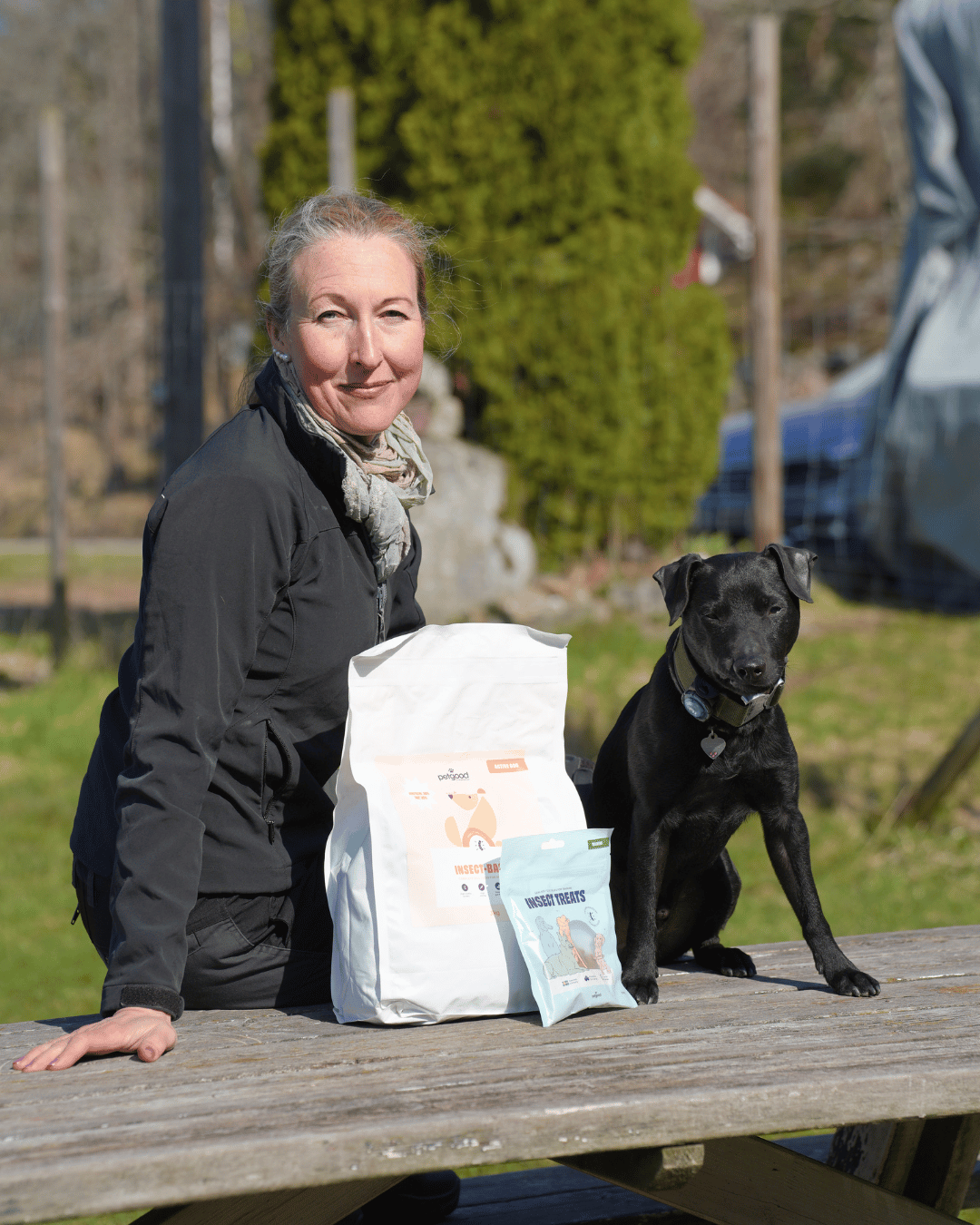
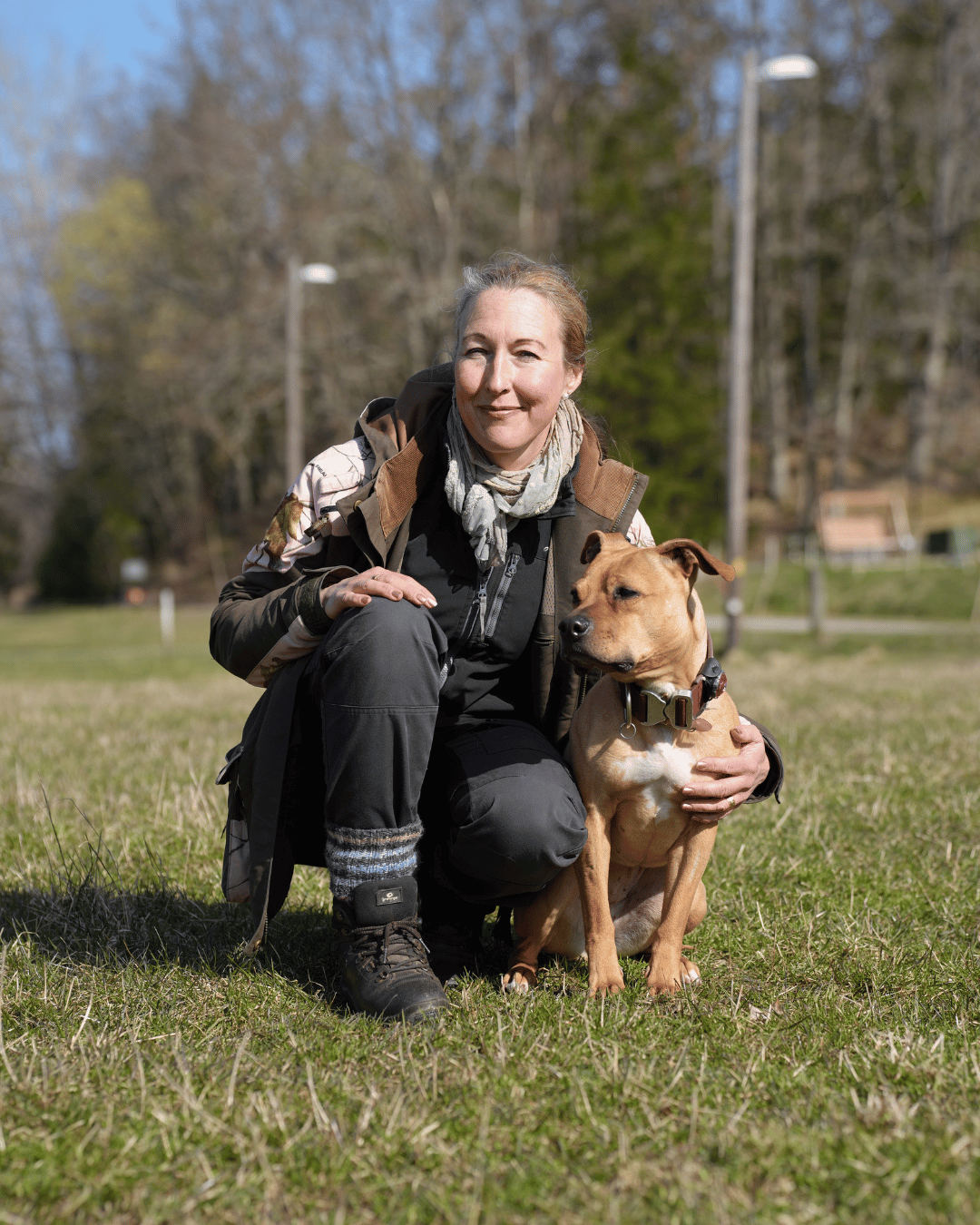
Let us introduce Irene Westerholm, ethologist and founder of Hundläroverket.
Irene has worked with dogs for over 25 years and is a strong voice for dogs' welfare, behaviour and right to a life in balance.
Can you tell us a little about yourself and Hundläroverket?
I have been an ethologist since 2008, when I graduated from Stockholm University. By then I had already worked as a dog instructor ever since my first dog and I met in the late 90s. Studying to become an ethologist became the natural step for me to develop and to be able to spread deeper information about animals' behaviour. The welfare of animals has always been what mattered in my life! As an ethologist I have been able to make a difference - among other things I have worked as an expert in animal cruelty cases, but now I devote my time to running Hundläroverket - the dog centre I started many years ago, which today offers private training, courses and a large dog hall. Always with the dog's welfare first. If everyone were a little kinder in the world - not least towards our dogs - we would have fewer problems!
What characterises a dog that feels really well, in your opinion?
From an ethologist's point of view, my answer is that the dog needs to have its behavioural and emotional needs met. It needs to live in a conflict-free and peaceful context - a family where it is seen for the individual it is, and where the dog's people also understand that dogs today are expected to cope with a lot that their biology doesn't allow. There are many dog owners who would need to be more tolerant of dogs (as does society at large). Dogs both look different, behave differently, and have different conditions. But none of them are adapted to the high-tech and stressful life we currently offer.
A dog that feels well lives in balance with its emotional life and its body. It handles peaks of stress and can recover quickly. It is happy - but not necessarily well-behaved for that matter. A dog that does what it's told is far from the same as one that feels well - but the dog that feels well often has better conditions for coping with our society.
What do you think is important to keep in mind when choosing food for your dog?
If I start from what benefits my own dogs, I like to have a protein-dense food. I train my dogs hard physically (we compete at elite level in the sled dog sport's short distance - weightpull) and therefore avoid foods with carbohydrates as the main energy source. For dogs in general, I want to see food that promotes stomach and gut health. There is a clear link between gut health and behaviour - a dog that doesn't feel really well in the stomach can't be expected to behave optimally either. I also want to see kibble that isn't too big - scattering food as scent exercises can do wonders when the dog needs to recover from peaks of stress or be guided away from them. Small kibble isn't as easy to spot and is therefore great, since the dog has to sniff them out. And of course the food should taste good to the dog!
From a bigger perspective, I want to choose food that doesn't increase suffering in the world. I simply can't choose food made from animals that I know have been raised industrially, perhaps in countries with much poorer animal welfare than in Sweden. For a long time I therefore chose game-based food, since the game at least lived freely or in enclosures and could experience better welfare. But it became ethically difficult in the long run, since much game-based food still contains other animal ingredients. That's why insect-based is what feels best in my heart - it is enormously much easier to ensure the welfare and death of insect larvae than that of fish, birds and mammals. And the day we all think a little more about how our actions can affect others in a positive way - that's when the earth becomes a better place to live!